Source GMP Standard Pharmaceutical Vibrating Screen for Granules, Pellets, and Experiments
Find 30 gmp standard pharmaceutical vibrating screen models for granules, pellets, and experiments. Compare specifications like screening area, power, and certifications to select the right equipment for your production needs.
Key considerations
Products List




Comprehensive Sourcing Guide
Strategic Sourcing Guide for GMP Standard Pharmaceutical Vibrating Screens
The pharmaceutical industry demands equipment that not only performs with high precision but also adheres to rigorous hygiene and safety standards. When sourcing a GMP standard pharmaceutical vibrating screen, buyers must navigate a complex landscape of technical specifications, regulatory compliance, and operational requirements. The core objective is to identify machinery that ensures the efficient separation of granules and pellets while maintaining the integrity of the production environment. This guide provides a structured approach to evaluating potential suppliers and products, focusing on the specific attributes observed in the current market for these critical processing units.
Technical Specifications and Operational Capabilities
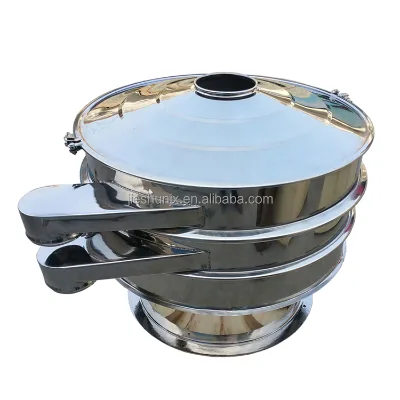
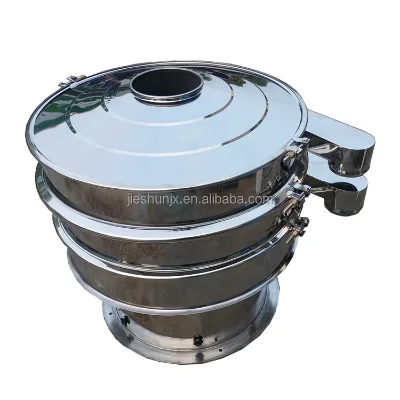
Understanding the technical parameters of a vibrating screen is the first step in ensuring it meets the specific needs of a pharmaceutical production line. The market offers a variety of configurations, ranging from single-shaft units to multi-layer systems designed for different throughput requirements. A critical observation in the current product landscape is the availability of machines with a single shaft configuration, which often simplifies maintenance and reduces the potential for mechanical failure points. The function of these units is typically categorized as high-frequency or rotary vibrating screens, designed to handle fine materials with high precision.
The screening area is a pivotal specification that dictates the throughput capacity of the machine. Available models in the market offer screening areas ranging from 0.09 square meters up to 1.5 square meters, allowing buyers to select a unit that matches their specific production volume. The feeding size for these machines is generally restricted to materials smaller than 30mm, ensuring that the screening process remains efficient and prevents blockages. Furthermore, the screen diameter can vary significantly, with options available between 400mm and 2000mm, providing flexibility for different plant layouts.
Power consumption is another vital technical consideration. The observed power ratings for these units span from 0.18kW to 1.5kW, indicating that energy efficiency can be optimized based on the specific model selected. The frequency of operation is typically observed at 1500rpm, with an amplitude ranging between 1mm and 2mm. This combination of frequency and amplitude is crucial for separating granules and pellets without damaging the material structure. The number of layers can be configured from 1 to 5, allowing for multi-stage separation processes within a single unit. The transmission structure is often described as a vibrating screen mechanism, supported by rubber springs to ensure stability and reduce noise during operation.
Compliance and Certification Verification
In the pharmaceutical sector, compliance with Good Manufacturing Practice (GMP) standards is non-negotiable. When evaluating a vibrating screen, buyers must verify that the equipment carries the appropriate certifications. The market data indicates that many units are marketed with GMP, cGMP, and FDA approval status, which are essential for pharmaceutical applications. Additionally, certifications such as ISO9001 and ISO14001 are frequently cited, reflecting a commitment to quality management and environmental standards.
The CE mark is also a common certification observed in the product listings, signifying conformity with health, safety, and environmental protection standards for products sold within the European Economic Area. While the presence of these certifications is a strong indicator of compliance, buyers should not rely solely on marketing claims. It is imperative to request valid, up-to-date certification documents directly from the supplier. The specific model numbers, such as XZS, VBY-800, or ZS series, often correlate with specific standard configurations, but the actual certification status must be confirmed for each batch or model variant.
Furthermore, the application of these screens is explicitly noted for the pharmaceutical industry, where the finished dosage form is often granules. The equipment must be designed to prevent cross-contamination and facilitate easy cleaning, a feature highlighted as a key advantage in several product descriptions. The precision of the machine is described as either high or normal, depending on the specific model, and buyers must align this with their quality control requirements. For high-precision pharmaceutical applications, selecting a unit with high precision capabilities is essential to ensure consistent particle size distribution.
Cost Drivers and Pricing Structure
The pricing of pharmaceutical vibrating screens is influenced by a variety of factors, including the material of construction, the complexity of the design, and the level of customization required. The observed price range in the market is substantial, spanning from $500 to $550,000. This wide variance reflects the difference between basic models and highly specialized, computerized units with advanced features.
The material of the screen is a primary cost driver. Units constructed from carbon steel are generally more affordable, while those made from stainless steel command a higher price due to their superior corrosion resistance and compliance with hygiene standards. Stainless steel is often preferred in pharmaceutical applications to prevent rust and ensure that the equipment can withstand rigorous cleaning protocols. The level of customization is another significant factor; while many suppliers offer standard models, custom modifications can increase the cost but may be necessary for specific production line integrations.
The minimum order quantity (MOQ) for these units is typically low, with many suppliers offering an MOQ of 1, which allows for flexibility in procurement for smaller facilities or pilot plants. However, the lead time and shipping costs can vary based on the origin of the product. Most units are sourced from China, with specific origins noted in Henan and Shanghai. The packing method, whether standard shipping packages or wooden cases, also impacts the final cost, especially for international shipments where protective packaging is crucial to prevent damage during transit.
Typical Applications and Industry Use Cases
Pharmaceutical vibrating screens are primarily used for the separation and classification of granules, pellets, and powders. The specific applications include the processing of finished dosage forms, where the equipment ensures that the final product meets strict particle size specifications. The machines are designed to handle lightweight fine shakers and mine shakers, although in the pharmaceutical context, the focus is on the lightweight and fine separation capabilities.
The versatility of these screens allows them to be used in various stages of the manufacturing process. They can serve as high-speed separators for granulating materials in the foodstuff industry as well, indicating a broader utility beyond just pharmaceuticals. The ability to handle different materials, from granules to pellets, makes these units essential for quality control in production lines where consistency is paramount. The use of rubber springs as a supporting device helps in isolating vibrations, which is critical in environments where noise reduction and equipment stability are important.
In addition to screening, these units can be integrated into larger systems for experiments and fine shaker applications. The precision of the screening process ensures that only particles of the desired size pass through, while larger or smaller particles are separated for reprocessing or disposal. This level of control is vital for maintaining the efficacy and safety of pharmaceutical products.
Supplier Evaluation and Quality Assurance
Selecting the right supplier is as critical as selecting the right machine. Buyers should evaluate suppliers based on their ability to provide comprehensive documentation, including technical specifications, certification proofs, and after-sales support. The origin of the product, whether from Henan or Shanghai, can provide insights into the manufacturing capabilities and industrial ecosystem of the supplier.
Quality assurance should be a central part of the evaluation process. Buyers must verify that the supplier has a robust quality control system in place, potentially evidenced by ISO certifications. The warranty period, typically one year for these units, is another factor to consider. A longer warranty or a more comprehensive support package can indicate a supplier's confidence in the durability and reliability of their products.
The customization capabilities of the supplier are also important. Since pharmaceutical requirements can vary significantly, the ability to tailor the machine to specific needs, such as adjusting the screen diameter or power rating, is a valuable service. Buyers should also inquire about the computerized features of the machine, as automated systems can enhance precision and reduce human error in the screening process.
Long-Term Procurement and Maintenance Considerations
When procuring a vibrating screen, buyers must consider the long-term operational costs and maintenance requirements. The condition of the machine, whether new or refurbished, impacts the initial investment and the expected lifespan. Most suppliers offer new units, which come with a warranty and the assurance of modern technology.
Maintenance is a key consideration, and the design of the machine should facilitate easy cleaning and component replacement. The use of rubber springs and the overall transmission structure should be designed to minimize wear and tear. Buyers should also consider the availability of spare parts and the technical support provided by the supplier. A supplier that offers comprehensive training and support can significantly reduce downtime and ensure the longevity of the equipment.
The energy efficiency of the machine, indicated by the power rating, is another long-term cost factor. Selecting a unit with the appropriate power rating for the specific application can lead to significant savings over time. Additionally, the noise reduction features, such as the rubber spring support, contribute to a safer and more comfortable working environment, which is a long-term benefit for the facility.
Conclusion
Sourcing a GMP standard pharmaceutical vibrating screen requires a meticulous approach that balances technical specifications, regulatory compliance, and cost considerations. By carefully evaluating the technical parameters, verifying certifications, and assessing supplier capabilities, buyers can ensure they acquire equipment that meets the rigorous demands of the pharmaceutical industry. The wide range of available models, from basic units to highly customized systems, offers flexibility for various production needs. Ultimately, the goal is to select a machine that enhances production efficiency, ensures product quality, and adheres to all relevant safety and hygiene standards.
FAQs
What certifications do GMP standard pharmaceutical vibrating screens have?
These screens typically hold GMP, cGMP, FDA, ISO9001, and ISO14001 certifications. Buyers must verify valid documents directly from the supplier for each batch to ensure compliance with pharmaceutical hygiene and safety standards.
Which materials are used to construct these vibrating screens?
Manufacturers use carbon steel or stainless steel for construction. Stainless steel is preferred for pharmaceutical applications due to superior corrosion resistance and compliance with rigorous cleaning protocols required for hygiene.
How is the screening area configured for different production volumes?
Available models offer screening areas ranging from 0.09 to 1.5 square meters. This range allows buyers to select a unit that matches specific production volume requirements without damaging the material structure.
Can these machines be customized for specific pharmaceutical needs?
Yes, customization is available for various specifications and production line integrations. Buyers can request adjustments to screen diameter, power rating, or layer configuration to meet unique operational requirements.
What is the typical warranty period for this equipment?
The standard warranty period for these units is one year. This coverage indicates supplier confidence in the durability and reliability of the new machinery provided for pharmaceutical processing.
Which locations are the primary origins for these machines?
Most units originate from Henan or Shanghai in China. These locations reflect the manufacturing capabilities and industrial ecosystems of the suppliers providing these GMP standard pharmaceutical vibrating screens.
What is the minimum order quantity for purchasing these screens?
The minimum order quantity is typically one unit. This low MOQ allows flexibility for smaller facilities or pilot plants to procure the equipment without large initial inventory commitments.